
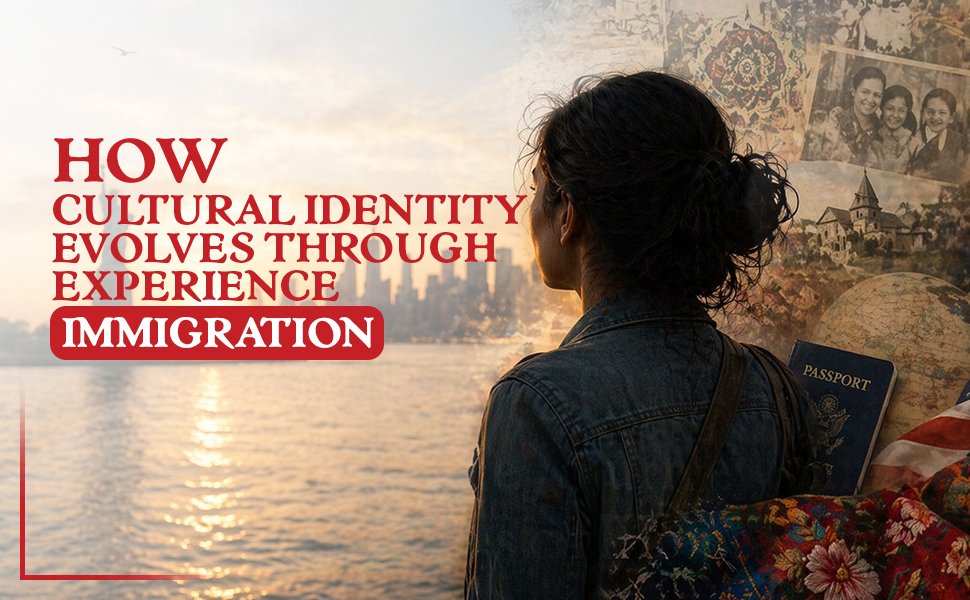
Immigration is more than just moving from one country to another—it is a journey of transformation, especially when it comes to identity. When people leave their homeland and enter a new culture, they don’t just adapt to a new environment; they begin to reshape who they are. This is why cultural identity and immigration is such a powerful and meaningful topic in today’s global world.
Through real-life experiences, we see how individuals evolve, blending traditions from their past with the realities of their present. These stories are not just about change—they are about growth, resilience, and self-discovery.
The Foundation of Cultural Identity
Cultural identity is built from language, traditions, values, and shared experiences. It is something people carry with them wherever they go. For immigrants, this identity becomes even more significant because it connects them to their roots.
When individuals move to a new country, their cultural identity doesn’t disappear—it travels with them. However, it begins to evolve over time. This is a key theme in cultural identity and immigration, where past and present come together to form something new.
This connection between heritage and change is also reflected in How Personal History Shapes Identity: Insights from a Powerful Immigration Memoir, where personal experiences play a crucial role in shaping identity.
Adapting to a New Culture
One of the biggest challenges immigrants face is adapting to a new culture. Everything—from language to social norms—can feel unfamiliar at first. This can create confusion and even a sense of isolation.
However, adaptation is a natural process. Over time, immigrants learn to navigate their new environment while still holding onto their cultural roots.
Many cultural identity and immigration experiences show that adaptation doesn’t mean losing who you are. Instead, it means expanding your identity to include new perspectives.
This journey of change is also seen in From Hungary to America: A Journey of Freedom and Identity, where moving to a new country leads to both challenges and personal growth.
Living Between Two Cultures
One of the most unique aspects of immigration is the feeling of living between two cultures. Immigrants often find themselves balancing the traditions of their homeland with the expectations of their new society.
This dual identity can be challenging, but it also becomes a source of strength. It allows individuals to see the world from multiple perspectives and adapt more easily to different situations.
In many cultural identity and immigration stories, this balance becomes a defining part of a person’s identity. Instead of choosing one culture over the other, individuals learn to embrace both.
For a deeper look into how these journeys build resilience, you can explore Immigrant Stories of Resilience: Lessons from Passport to Destiny.
Emotional Growth Through Change
Immigration is an emotional experience that goes beyond cultural adjustment. It involves leaving behind familiarity and stepping into the unknown.
This process can be difficult, but it also leads to growth. Many immigrants discover strengths they didn’t know they had.
These emotional transformations are an important part of cultural identity and immigration, as they shape how individuals see themselves and their place in the world.
To understand why these emotional journeys resonate with readers globally, you can read Why Memoirs About Immigration and Freedom Are Inspiring Readers Worldwide. These stories highlight the emotional depth that makes immigration experiences so powerful.
Blending Traditions and Creating a New Identity
Over time, immigrants begin to blend their original culture with their new environment. This creates a unique identity that reflects both their past and present.
Food, language, traditions, and even values become a mix of two cultures. This cultural fusion enriches not only the individual but also the community they become part of.
This blending process is at the heart of cultural identity and immigration, showing that identity is not fixed—it is constantly evolving.
Instead of losing their culture, immigrants often create something new and meaningful from their experiences.
The Role of Community in Identity Formation
Community plays a vital role in helping immigrants maintain and evolve their cultural identity. Being surrounded by people with similar experiences can provide comfort and support.
At the same time, interacting with new communities helps individuals grow and adapt. This balance between familiarity and change is essential in shaping identity.
Many cultural identity and immigration experiences highlight how community influences personal growth. It creates a sense of belonging, even in a new environment.
Why Cultural Identity Matters Today
In today’s interconnected world, understanding cultural identity is more important than ever. Immigration has created diverse societies where multiple cultures exist side by side.
By exploring cultural identity and immigration, we gain a deeper understanding of how people navigate change and build meaningful lives.
These stories encourage empathy and help us appreciate the richness of diversity. They remind us that identity is not something that divides us—it is something that connects us.
Final Thoughts
Cultural identity is not something that remains unchanged—it evolves with experiences, challenges, and growth. Immigration plays a significant role in shaping this transformation, creating individuals who are deeply connected to both their past and present.
Through cultural identity and immigration, we see how people adapt, grow, and redefine themselves. These journeys are not just about change—they are about becoming stronger, more aware, and more connected to the world.
In the end, cultural identity is not about choosing between two worlds—it is about embracing both and creating something uniquely your own.